Introduction
Starting a career in the gas industry can be both exciting and challenging. For new entrants, one of the most important steps to becoming a qualified Gas Safe engineer is completing your gas portfolio training.
This blog will explain what a gas portfolio is, why it’s required, and how you can successfully complete it as part of your gas training course.
What Is Gas Portfolio Training?
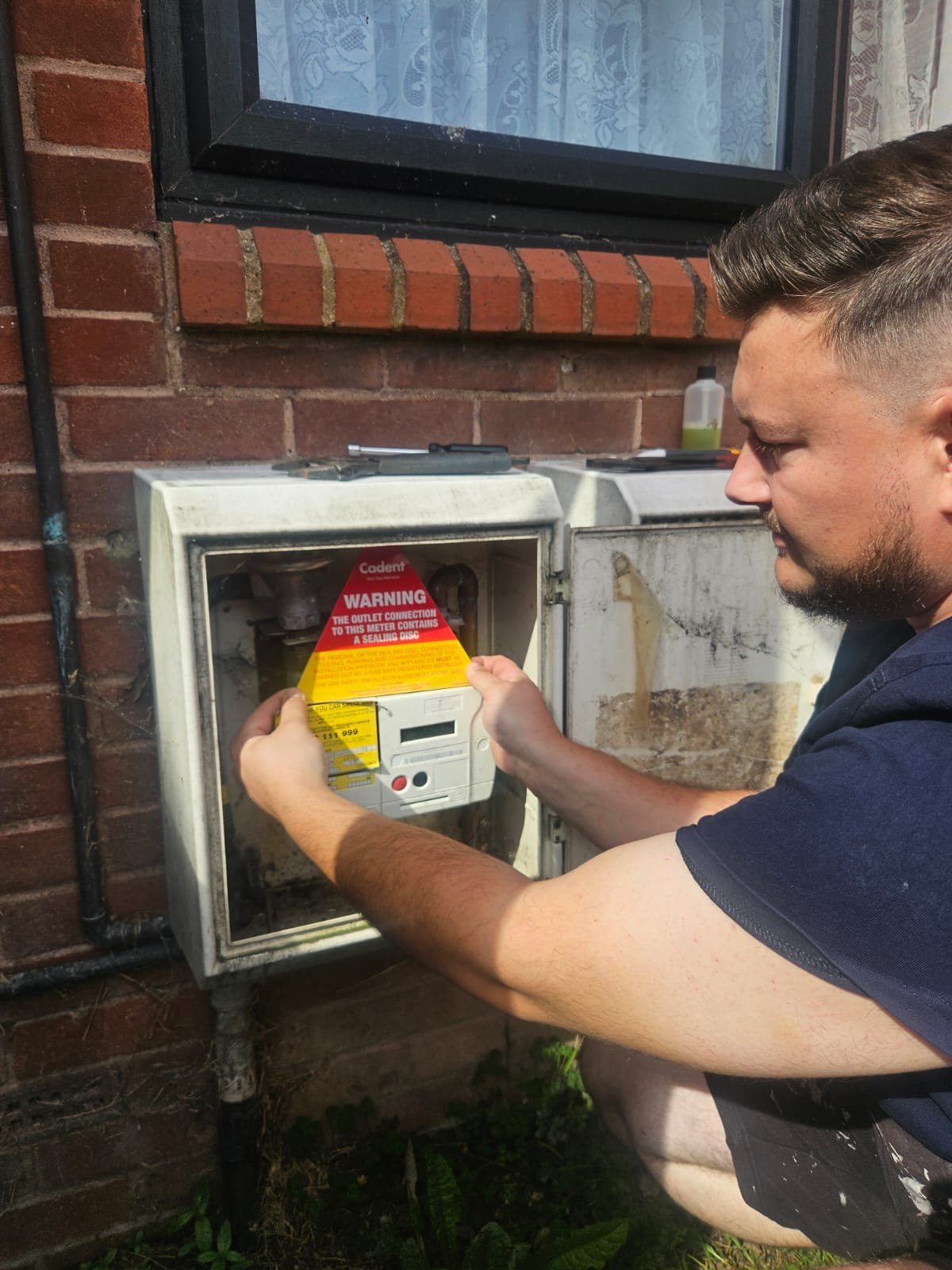
Gas portfolio training is the on-site evidence-gathering stage of your gas training course, carried out under the supervision of a qualified Gas Safe engineer. It demonstrates your ability to work safely, apply theory in practice, and prepare for your ACS assessments.
What Does a Gas Portfolio Include?
Your portfolio should cover a variety of practical gas tasks, such as:
- Boiler installation and servicing
- Gas cooker and fire work
- Pipework installation & tightness testing
- Flue flow and safety checks
- Fault-finding and rectification
All activities are logged with job sheets, photographs, and mentor sign-offs.
How Long Does Gas Portfolio Training Take?
On average, the portfolio stage takes 3–12 months, depending on your availability and job exposure. Consistent on-site experience is key to completing your training efficiently.
Tips for Completing Your Gas Portfolio Successfully
- Stay organised with paperwork and evidence.
- Be proactive in seeking varied tasks.
- Record every activity, no matter how small.
- Reflect on your learning for deeper understanding.
- Build a strong relationship with your supervising engineer.
Common Challenges for New Entrants
- Limited job variety — Request additional placements through your training centre.
- Time management issues — Schedule portfolio work around personal commitments early.
- Low confidence — Remember you’re supervised and learning by doing.
From Gas Portfolio to ACS Assessment
Once your portfolio is complete, you’ll move on to your ACS assessments — the final step before Gas Safe registration. With a strong portfolio, you’ll enter these assessments with both competence and confidence.
FAQs About Gas Portfolio Training
1. How do I start my gas portfolio?
After classroom training, your training centre will connect you with a Gas Safe registered engineer to begin supervised on-site work.
2. Can I complete a gas portfolio without a mentor?
No. A qualified Gas Safe engineer must supervise and sign off your work.
3. Do I need to complete a portfolio to become Gas Safe registered?
Yes. Without a completed portfolio, you cannot take your ACS assessments or register with Gas Safe.
4. How many jobs are required for a portfolio?
There is no fixed number, but your portfolio must show evidence across a range of appliances and tasks.
Conclusion
Gas portfolio training is the bridge between classroom learning and real-world gas work. For new entrants, it’s a vital opportunity to gain hands-on experience, prove competence, and prepare for ACS assessments.
Approach the process with organisation, commitment, and a proactive mindset — and you’ll be on your way to becoming a fully qualified Gas Safe registered engineer.