Introduction
Becoming a certified gas installer requires both theoretical knowledge and practical experience. Our gas cooker installation and professional gas fitting courses are designed to equip you with the practical skills needed to work safely, efficiently, and in full compliance with Gas Safe regulations. In addition to teaching safe kitchen appliance installation, we also focus on essential skills such as boiler installation training, boiler repair, and boiler fault finding.
This blog will explain what you’ll learn in our courses, the practical experience you’ll gain, and how you can build a strong foundation as a Gas Safe registered engineer through hands-on gas portfolio training and real-world experience.
What Are Gas Cooker Installation and Gas Fitting Courses?
These courses are hands-on gas engineer training programmes that teach you how to safely install and maintain gas appliances under the supervision of qualified Gas Safe engineers. During the programme, you will develop specialist knowledge in safe gas appliance fitting, expert boiler repair, heating system service, and industry best practices for new boiler installer course candidates.
What Does the Training Include?
Our practical sessions cover a variety of essential gas and heating tasks, including:
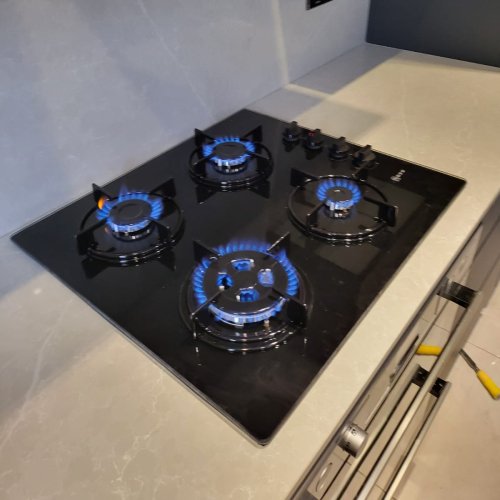
- Kitchen appliance installation and gas cooker connection
- Boiler diagnostics, boiler maintenance, and boiler repair
- Emergency boiler service and fixing broken boiler issues
- Annual boiler check and heating engineer troubleshooting
- Creating a hands-on gas portfolio that demonstrates your competence
All activities are completed under professional supervision, helping you develop safe working habits and gain the confidence required for Gas Safe training.
How Long Does the Training Take?
The duration of the expert gas training varies depending on your course selection and availability. Practical experience is key, and most trainees complete their gas portfolio training and gain sufficient hands-on experience within a few months. During this time, you will work closely with experienced Gas Safe engineers on real installation, boiler repair, and heating system service jobs.
Tips for Success During Your Gas Training
- Stay organised and maintain accurate records of your hands-on gas portfolio.
- Seek opportunities to work on varied appliances and tasks such as boiler diagnostics and gas cooker installation.
- Practice troubleshooting and boiler fault finding regularly.
- Engage fully with your supervising engineer to learn from their experience in emergency boiler repair and Gas Safe repair.
Common Challenges for New Trainees
- Limited appliance variety — Request additional placements or practice sessions in boiler maintenance and kitchen appliance installation.
- Time management issues — Plan your practical sessions around personal commitments and course requirements.
- Lack of confidence — Remember, you are supervised by qualified Gas Safe engineers and learning through practice.
From Training to Gas Safe Registration
After completing the training and practical sessions, you’ll be equipped to work confidently on gas appliances and prepare for your Gas Safe registration. Your gas portfolio training and practical experience demonstrate that you are competent in areas such as boiler installation training, professional gas fitting, and emergency boiler service.
With a strong hands-on gas portfolio, you’ll be fully prepared to offer safe, professional service across residential and commercial environments as a trusted Gas Safe registered engineer.
FAQs About Gas Cooker Installation Training
Do I need prior experience to join the course?
No, our courses are designed for beginners as well as experienced trainees. The training covers everything from new boiler installer course content to gas cooker installation.
Will I receive supervision during practical work?
Yes, all practical sessions are supervised by experienced Gas Safe engineers and include guidance in boiler repair, boiler diagnostics, and safe gas appliance fitting.
Can I work professionally after completing the course?
Yes, after finishing the training and completing your gas portfolio, you’ll be ready to work as a certified gas installer and deliver professional heating system service and emergency boiler repair.
Is a portfolio required?
Yes, maintaining a hands-on gas portfolio is essential for demonstrating your practical experience and passing your Gas Safe training.
Conclusion
Our gas cooker installation and professional gas fitting courses bridge the gap between classroom learning and real-world gas work. By combining practical sessions, hands-on gas portfolio development, and supervision from qualified engineers, you’ll gain the skills, experience, and confidence necessary to become a safe and competent Gas Safe registered engineer.
Approach your training with commitment, organisation, and curiosity — and you’ll be fully prepared to carry out boiler installation training, fix boiler issues, complete annual boiler checks, and provide emergency boiler repair and heating system service whenever required. In addition, ongoing boiler maintenance and boiler diagnostics will help you stay up to date with the latest safety standards and build long-term confidence as a certified gas installer. Whether you’re focusing on emergency boiler service, gas cooker connection, or full heating engineer responsibilities, our expert gas training ensures you’re fully prepared to deliver reliable, high-quality service in any situation.